The ₹25,760 Cr Hole: Why Cricket’s Biggest Broadcaster Is Walking Away (How India Might Miss Its Own T20 World Cup Broadcast)
Inside Disney+ Hotstar’s ₹25,760 crore ICC nightmare, the real money gaming crash, and what it means for Indian cricket fans.
Imagine this for a moment. It is T20 World Cup season. India versus Pakistan in Colombo. The kind of match that stops everything from office meetings to metro crowds. The stadium is packed. The atmosphere is electric. And you, sitting at home with the remote, are ready to watch history.
But instead of live cricket, the TV shows a daily soap.
That sounds absurd, but this scenario could genuinely play out because the official holder of ICC broadcast rights in India Disney+ Hotstar (widely referred to as JioStar in corporate reporting) is attempting to walk away from the deal just before a major World Cup cycle. The timing could not be more dramatic: weeks before another global ICC tournament, India’s broadcast future is suddenly uncertain.
This raises uncomfortable questions. How did this happen? Why is this massive platform bleeding money instead of earning it? Is cricket broadcasting finally hitting a breaking point in India? And what does that mean for millions of fans?
The ICC–Hotstar Media Rights Deal
In the 2023–24 cycle, ICC media rights became the biggest broadcasting prize in world cricket. The Indian territory alone fetched a staggering US$3 billion about ₹25,000 crore at the time.
This four year package covered all major ICC tournaments from 2024 to 2027: the T20 World Cup, ODI World Cup, Champions Trophy, and more. For Disney+ Hotstar, the logic was straightforward. India is cricket’s economic engine. Digital growth is exploding. Combining streaming with telecom bundling would create a dominant ecosystem.
On paper, the logic was unbeatable. In reality, it has become a financial disaster.
The ₹25,760 Crore Hole
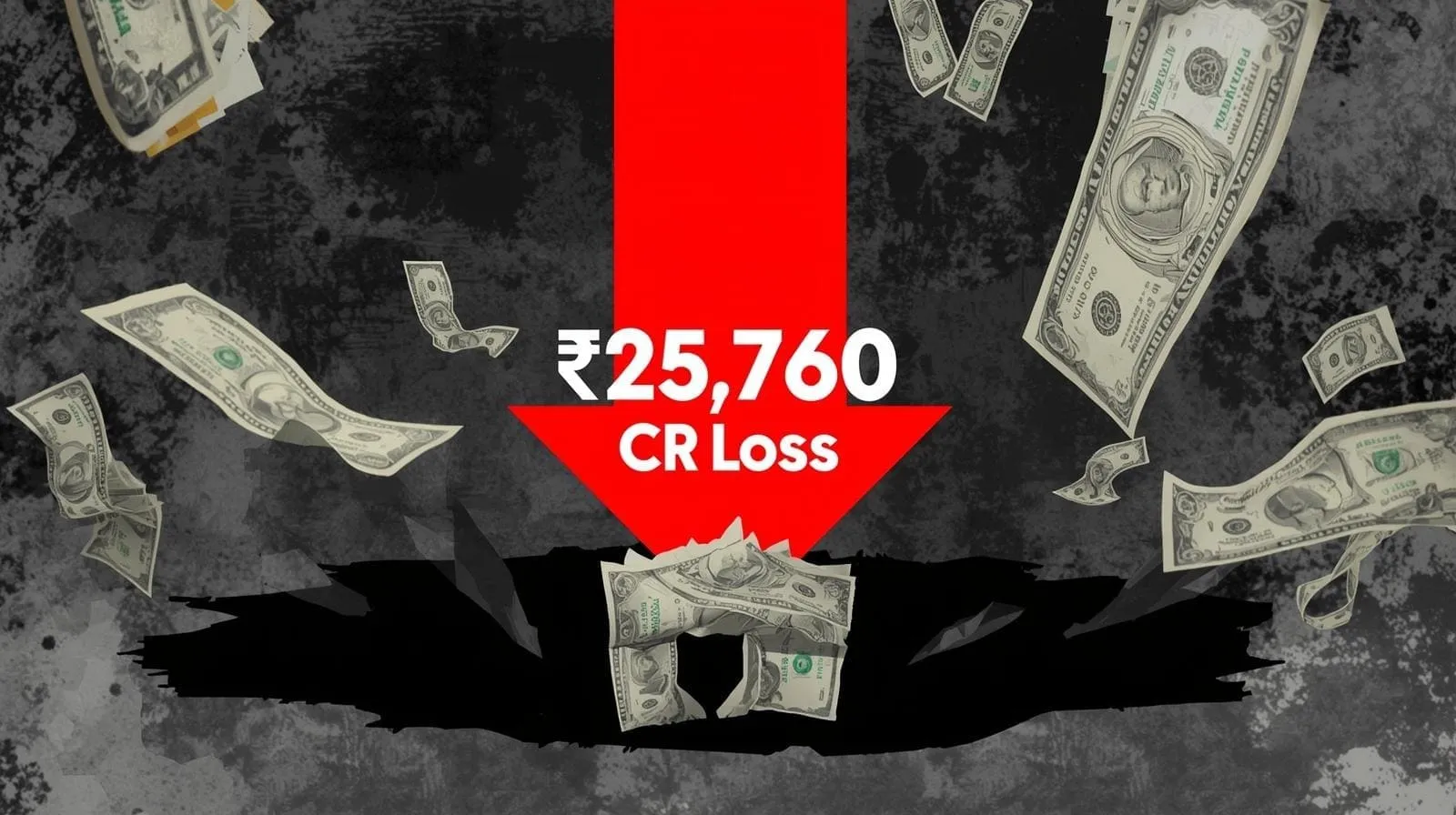
Initially, the broadcaster estimated losses around ₹12,300 crore. That alone would have been painful. But within a year, internal filings recorded provisions of nearly ₹25,760 crore more than double.
In simple words, the broadcaster now expects to lose more money than the total deal value itself.
The deal collapsed because the business model was based on faulty foundations, driven by three major factors:
- Overestimated revenue targets.
- Underestimated operational and production cost.
- Dollar appreciation increasing the real rupee burden on payments.
All three combined to turn what looked like a prestige acquisition into a financial black hole.
The Free Streaming Trap
Fans still remember the excitement of the 2024 T20 World Cup being streamed “free” on the platform. It felt like a patriotic service to fans: big tournament, zero cost.
But nothing in broadcasting is ever free. “Free” simply means the advertiser pays instead of the viewer.
That business model depends on two things: extremely high digital ad rates and very large, reliable advertising categories.
And the single biggest category was about to disappear.
The Real Money Gaming Crash
Real money fantasy apps Dream11, My11Circle and others became the dominant advertisers in Indian cricket. Their ads ran constantly during matches, pushing enormous marketing budgets.
But once India tightened regulations and restrictions on these platforms, cricket’s biggest advertiser category collapsed. In one stroke, revenue assumptions fell apart.
Traditional brands still advertise, but they simply cannot replace the spending levels of fantasy gaming platforms. The result: ad inventory weakened, ad yields dropped, and the “free for users” model became unsustainable.

ICC Wins, Broadcasters Lose
Here is the irony buried inside global cricket economics. ICC makes money regardless of whether the broadcaster recovers costs. The governing body earns guaranteed instalments.
Reports indicate ICC continues to record strong financial surplus (around US$474 million recently). Meanwhile, the Indian broadcaster is sitting on unprecedented losses.
It is a system where the ICC structured a contract where its profit was guaranteed, and the broadcaster became the sole risk absorber.
That model worked for a decade. It may not work anymore.
Why Hotstar Wants Out?
Reports indicate that the platform has informed ICC it cannot continue the remaining two years of rights. Why exit before the 2026 T20 World Cup and the 2027 ODI World Cup the most valuable events in cricket?
Because every additional tournament may simply increase the total loss. In accounting, this is called an “onerous contract” continuing the contract causes more damage than ending it.
Breaking early, even with penalties, may still be cheaper than broadcasting further.
The 2026–2029 Broadcast Vacuum
If Disney+ Hotstar exits, India technically has no confirmed broadcaster for the 2026 T20 World Cup onward. ICC has contacted Sony, Netflix and Amazon, but the response has been muted.
Why would another broadcaster rush to buy something that has already destroyed a major platform’s balance sheet? Sony, a major TV player, may see opportunity, but OTT giants like Netflix and Amazon have historically been far more cautious about such large, content-specific sports deals.
Is Virat Kohli’s Absence a Key Factor?
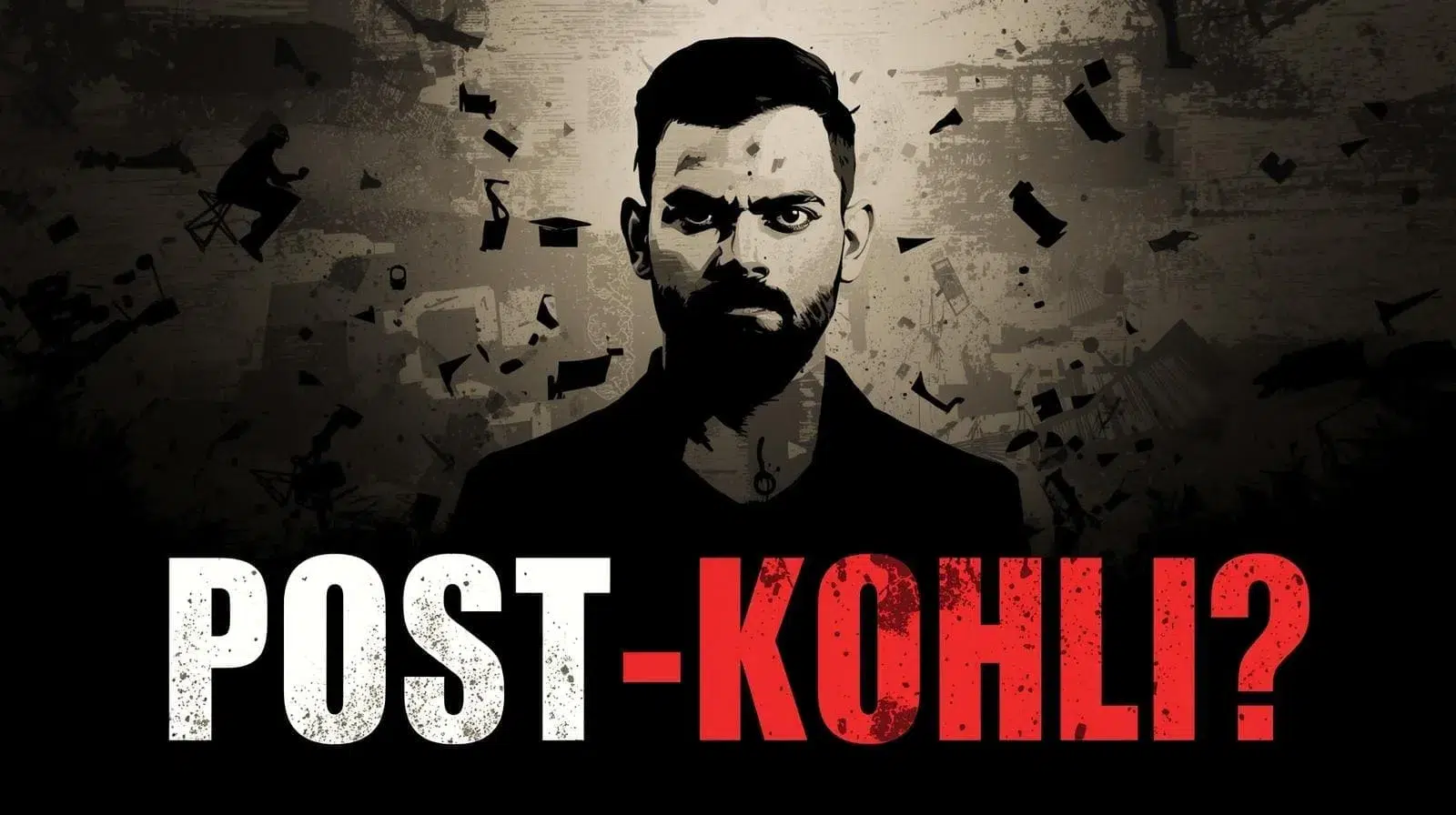
There is strong industry speculation that advertiser interest may fall because 2026 could be the first ICC event without Virat Kohli or Rohit Sharma. Virat was global cricket’s most bankable face. Advertisers lined up because he existed.
However, while star absence might contribute to reduced valuation, it is not the primary driver. The main causes remain structural: losses, overpricing, regulatory impact and cost escalation.
Who Really Controls Cricket?
This crisis exposes a deeper truth. India fuels 80 percent of ICC revenue. Yet Indian fans have no guarantee of watching World Cups on regular television or a single streaming platform.
Broadcasters, advertisers, regulators and ICC decide everything. The Indian fan whose existence funds the entire cricket economy remains powerless.
Fans pay through:
- Data usage fees.
- Subscriptions.
- Telecom bundles.
- Additional app fees.
Emotionally, fans are on a monthly EMI.
Global Cricket May Suffer
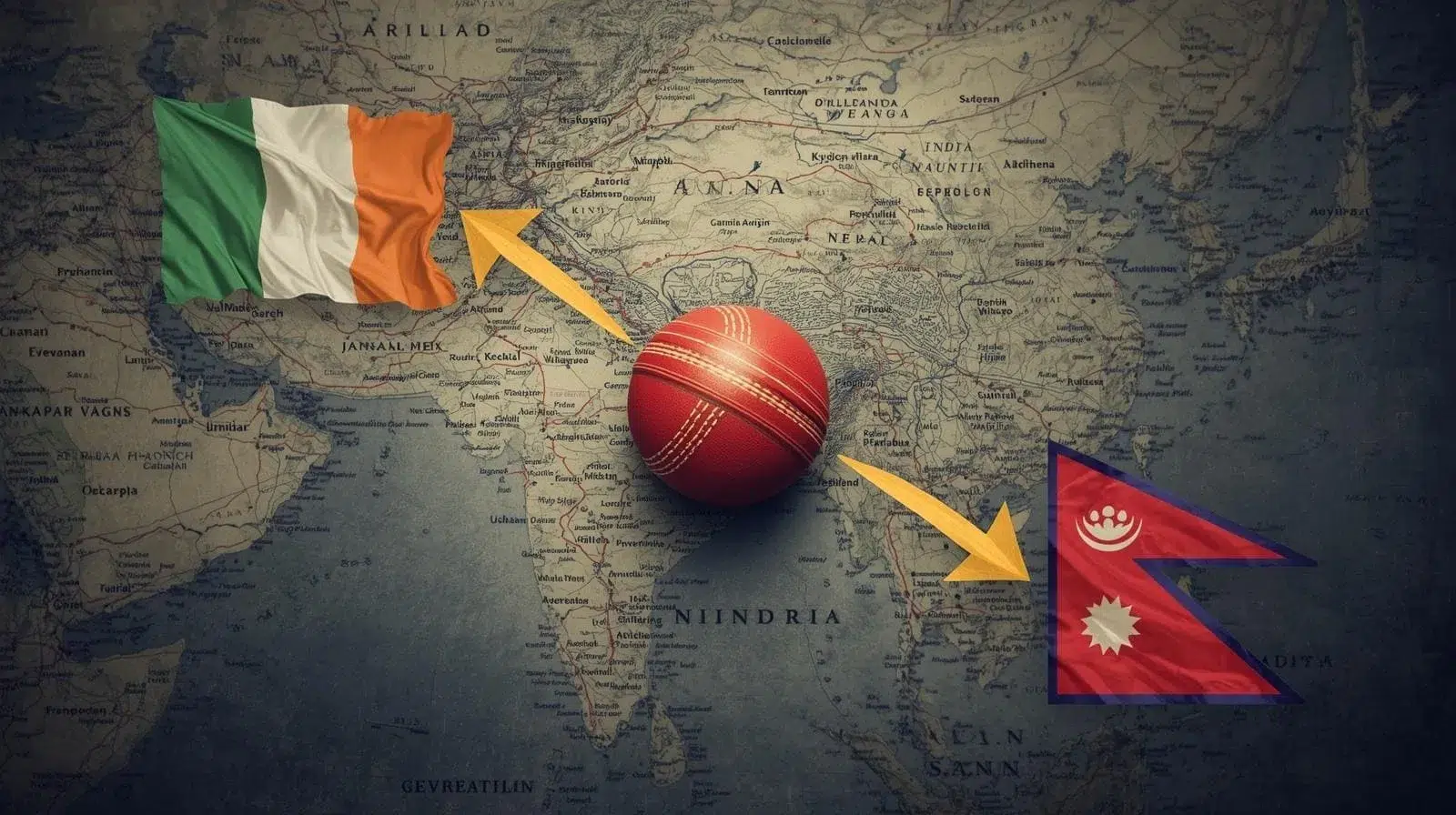
A hidden outcome of this crisis could be global damage. ICC distributes broadcasting money to associate nations such as Ireland, Namibia, Nepal, USA and more.
If India’s broadcast value falls:
- Associate funding shrinks.
- Global expansion slows.
- Cricket becomes more unequal.
Ironically, countries thousands of miles away rely on Indian fans watching cricket. If Indian fans cannot watch, others cannot play.
What If No One Bids?
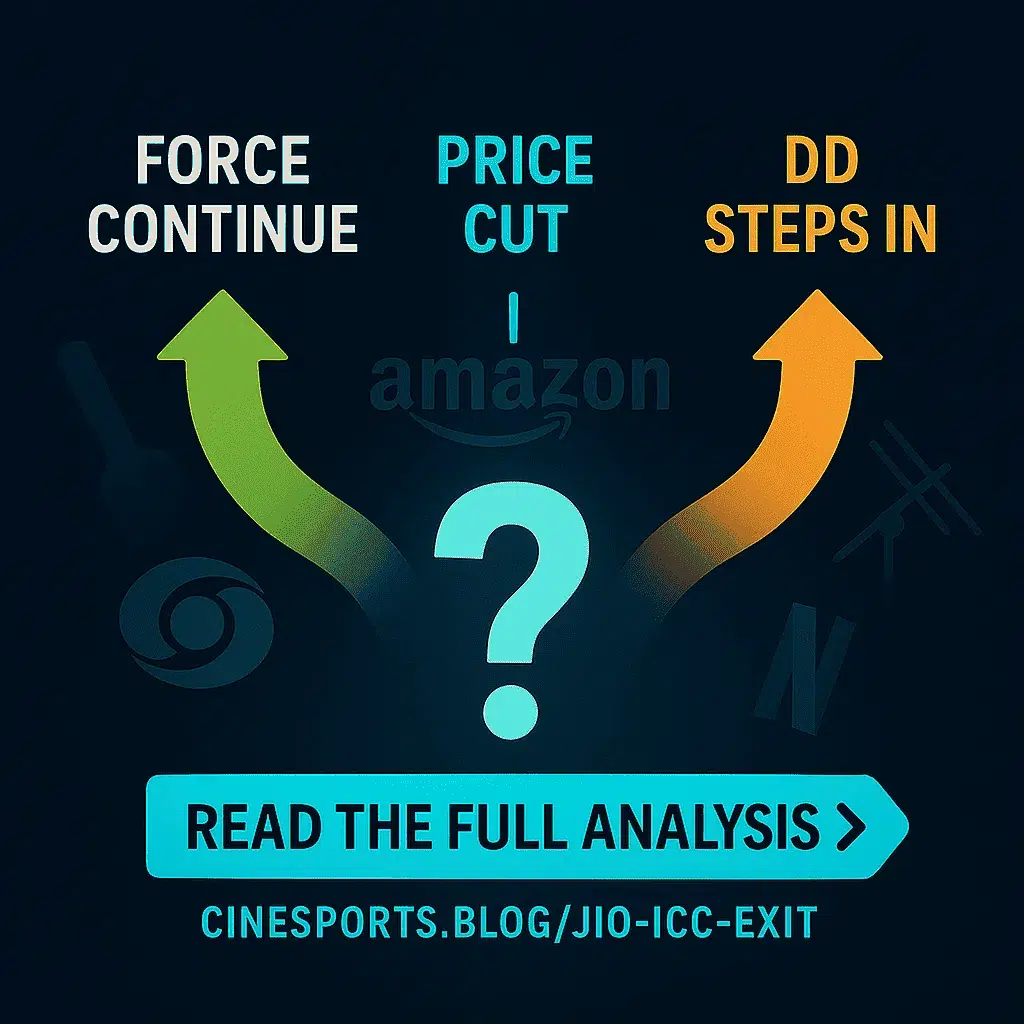
If no major broadcaster steps in, three possibilities exist:
- Hotstar could be forced to continue, despite losses, under court order.
- ICC may slash prices or create separate TV/digital packages to entice new bids.
- Government or Doordarshan involvement to guarantee national access.
None of these are ideal. But all are possible.
A Correction in Cricket Economics
For two decades, broadcasters believed cricket rights were priceless and worth any cost. That belief is collapsing in real time.
Digital advertising is thinning. Regulatory categories are shrinking. Audiences are fragmented. Monetisation is no longer guaranteed.
The question is not who will buy the rights next. The question is who will pay the final bill.
Will Indian fans accept another app and another subscription? Or will they finally demand recognition as genuine stakeholders in the sport they sustain?
Cricket exists because Indians watch it. ICC survives because Indians pay for it. Global cricket grows because Indian viewership funds it.
Yet the Indian fan the single most important participant has the least control.
Maybe this crisis is not about Hotstar leaving. Maybe it is about the true relationship between cricket and the people who love it.
The next World Cup will answer that.
For more official updates on fixtures, media rights and tournament news, visit the ICC’s official website .