The 2025 Formula 1 season has been one of the most dramatic in recent memory not only because of a tight title fight, but also due to the turbulence inside Red Bull Racing. Every twist and turn seemed to lead back to one question: Did Chris Horner sabotage Verstappen’s F1 2025 season? What started as an internal controversy in early 2024 eventually reshaped the leadership, the technical direction and the championship narrative.
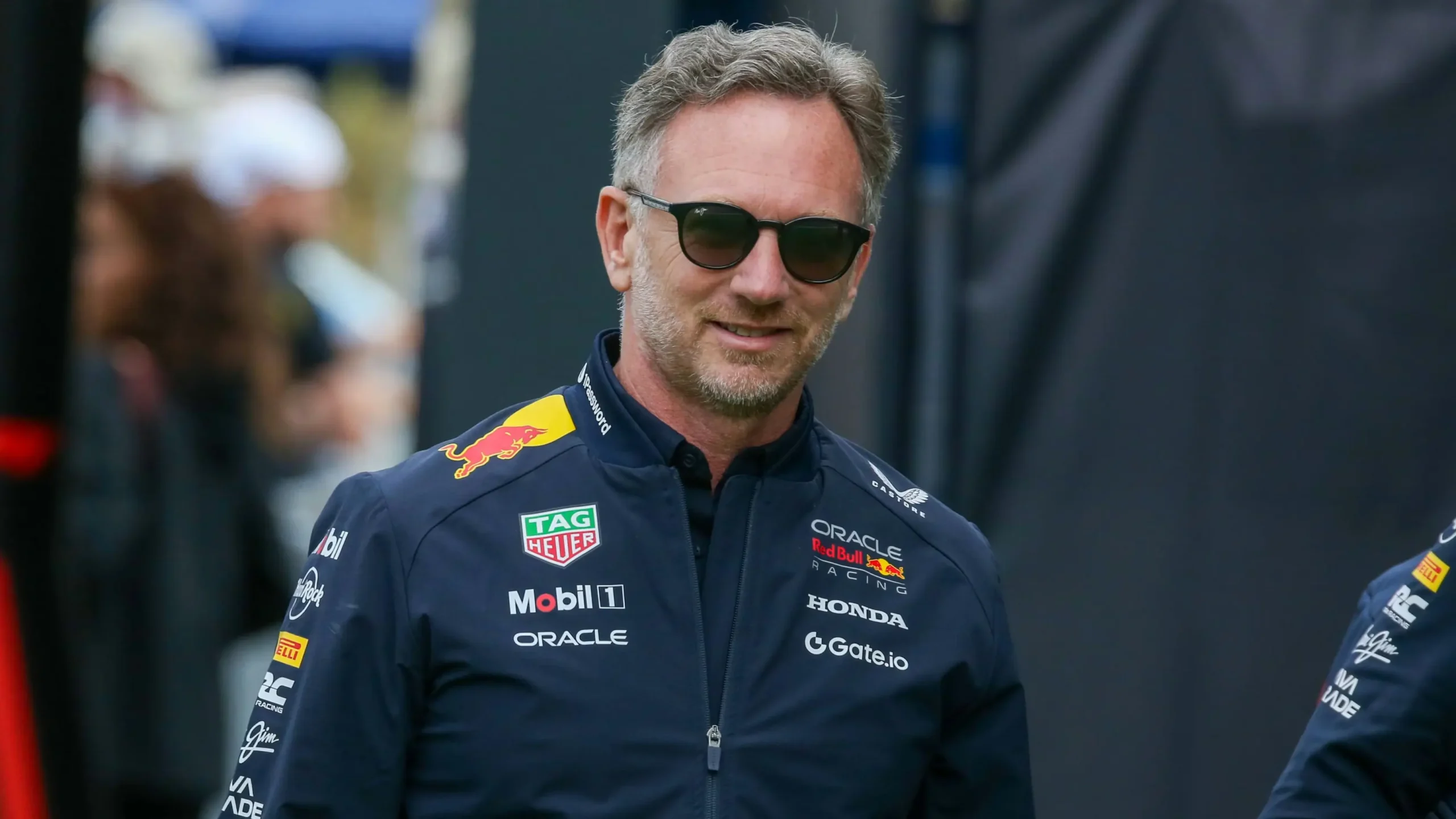 Did Chris Horner sabotage Verstappen’s F1 2025 season? What started as an internal controversy in early 2024
eventually reshaped the leadership, the technical direction and the championship narrative. — Red Bull team principal”
width=”1000″
height=”667″
loading=”lazy”
decoding=”async”
style=”max-width:100%;height:auto;”
/>
Did Chris Horner sabotage Verstappen’s F1 2025 season? What started as an internal controversy in early 2024
eventually reshaped the leadership, the technical direction and the championship narrative. — Red Bull team principal”
width=”1000″
height=”667″
loading=”lazy”
decoding=”async”
style=”max-width:100%;height:auto;”
/>
License: CC BY 4.0.
How the controversy began
The controversy traces back to February 2024 when an allegation against Chris Horner surfaced, generating intense media scrutiny. Although Red Bull’s internal probe cleared Horner of the most serious claims, the accusations did not simply vanish: they left a residue of mistrust and factional tension inside the team. High pressure environments amplify personality clashes, and in Red Bull’s case these clashes began to affect technical collaboration and morale.
The rift became more visible as influential figures inside the team including Adrian Newey reportedly distanced themselves from Horner. Public comments from insiders and Max Verstappen’s camp intensified speculation that internal friction was bleeding onto the track in the form of inconsistent development and strategy.
Adrian Newey’s departure and on track consequences
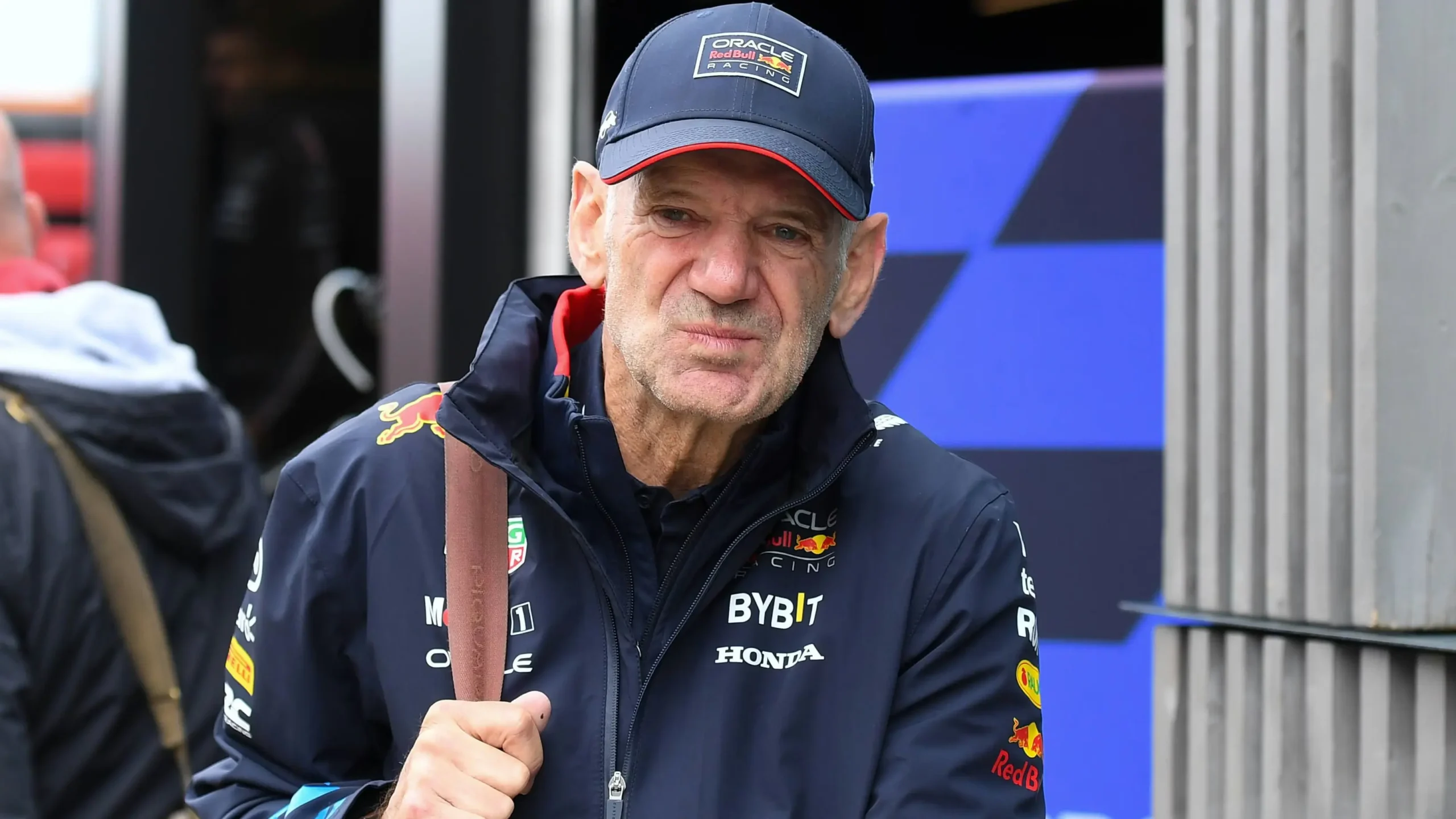
Adrian Newey’s gradual withdrawal from full engagement was a pivotal moment. As Red Bull’s chief design architect for many title winning seasons, Newey’s input has been instrumental to the team’s competitive edge. Once Newey curtailed collaboration, the technical pipeline stalled: upgrades lost coherence, aero balance suffered and tyre temperatures became harder to manage all symptoms that made the RB package trickier for Verstappen to exploit.
License: CC BY 4.0.
The effect showed in practice sessions and races: the car’s inconsistent behaviour meant more time spent firefighting setup issues and fewer laps where the package delivered outright pace. Red Bull’s mid season changes including a controversial driver swap did little to immediately remedy performance holes. For a team used to dominating clear areas of the sport, the decline was stark and measurable.
Did Chris Horner sabotage Verstappen’s F1 2025 season?
This line of questioning quickly became part of the paddock chatter. Critics argued Horner’s intransigence whether political or personal drove away key figures and stalled technical progress. Others cautioned that internal disputes happen in competitive teams and are not alone sufficient to call the effects “sabotage.” The truth likely sits between these extremes: leadership dysfunction amplified existing problems and hindered timely fixes.
Analysts pointed to several concrete impacts: inconsistent strategy calls, delayed upgrades, and a reduced capacity to extract performance under changing track conditions. In a championship decided by tenths, those weaknesses cost valuable points and increased pressure on Verstappen.
Laurent Mekies and the attempt to steady the ship
Facing mounting pressure, Red Bull appointed Laurent Mekies as team principal. Mekies, a figure known for structured development and clear communication brought immediate calm. Under his stewardship, communications improved, the upgrade cadence stabilised, and the team regained some of its lost rhythm. Mekies’ arrival did not instantly restore dominance, but it quelled the chaos that had threatened the championship campaign.
Mekies also reshaped the pitwall culture: clearer roles, cleaner radio calls and a measurable uptick in pitstop performance all critical in tight races. While the team recovered some pace, the mid-season disruption had already altered momentum and left the title fight more open than many expected.
What’s next for Horner and the broader paddock?
Rumours swirled that Horner might seek a return to a team principal role elsewhere. While his track record including years leading a championship-winning program is strong, the reputational damage from 2024–25 complicates any immediate comeback. Meanwhile, Newey’s move to Aston Martin (and the broader reshuffle) has permanently shifted F1’s competitive map.
Whether one labels Horner’s effect on the season as “sabotage” or “leadership failure,” the practical result was the same: an interrupted development cycle and a title fight that played out under a cloud of internal instability.
For a deeper look at how the championship battle affected other drivers, read our analysis of Oscar Piastri’s 2025 title fight.
For race-by-race updates, follow the official Formula 1 calendar: Formula 1 — 2025 Race Calendar.