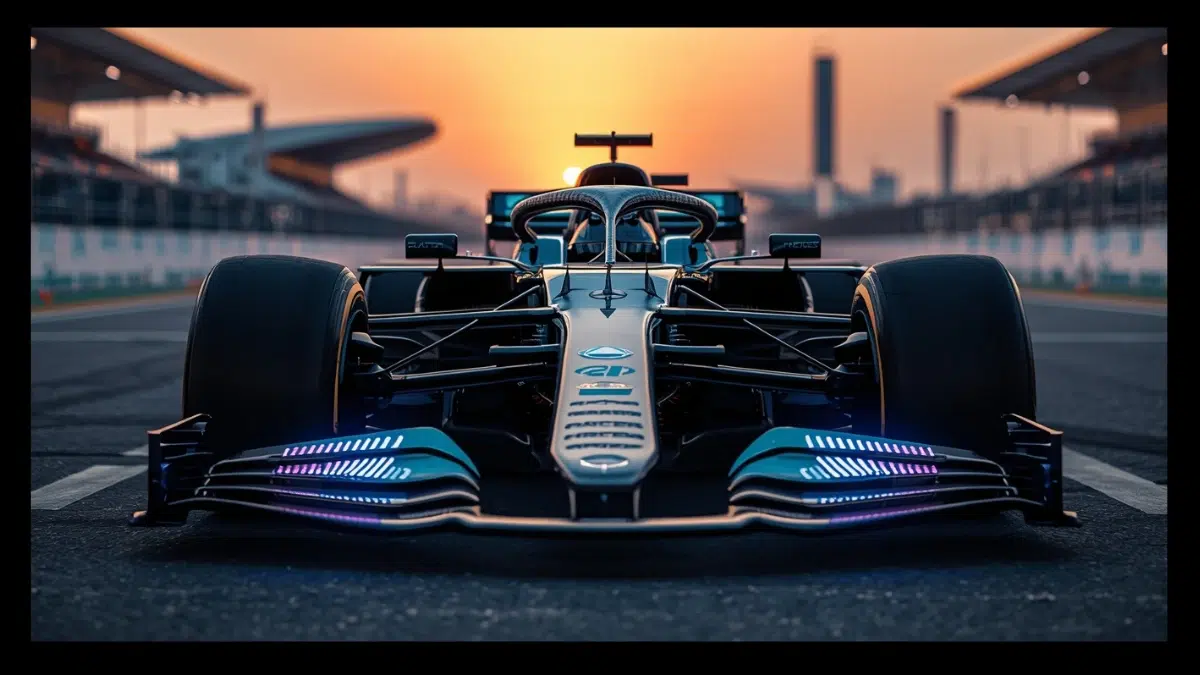
F1 2026 Tech Revolution
F1’s biggest technical shift in more than a decade, F1 2026 Tech Revolution and the early signals coming out of the paddock suggest both opportunity and chaos. Reports from Italy suggest that Mercedes have met or exceeded several internal aerodynamic and engine targets, a headline that has immediately revived the question: is this the start of a new Mercedes era, or another over optimistic 2022 false dawn?
Comparisons are unavoidable. The Silver Arrows believed they had struck gold with the 2022 zero pod concept, only for the next four seasons to deliver porpoising, correlation issues and inconsistent race day execution. As teams prepare for 2026, insiders remain cautious: the hype could be real, or it could be a carefully managed narrative. For context, see our review of the 2025 Destructor’s Championship which highlights how costly development and reliability issues can be when regulation shifts bite.
Jack Doohan’s Suzuka Crash Spiral: Super Formula Déjà Vu
Jack Doohan’s transition to Super Formula testing began turbulently. During two consecutive test days at Suzuka he crashed at the same “DNA” corner sequence, first by carrying excess speed and clipping the inside kerb which destabilised the rear and led to a gravel trap hit, and then by repeating a nearly identical mistake the following day. The incidents echo his high profile DRS open crash at Turn 1 during the 2025 F1 season also at Suzuka and underline a worrying pattern in high speed rhythm sections.
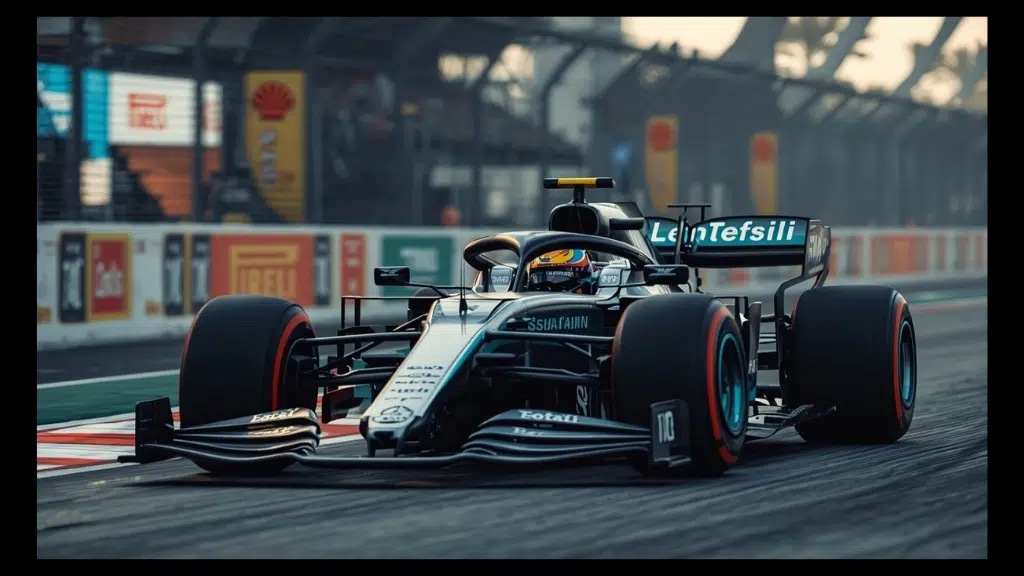
The social reaction has been intense. Doohan has blacked out his Instagram profile picture, mirroring earlier online backlash responses from other drivers. Whether he recovers quickly or enters a prolonged slump will be one of the early human interest narratives of 2026.
FIA Simplifies 2026 Tech Language: Active Aero, Boost & Overtake Mode
The FIA has attempted to make the 2026 technical shift easier to follow by simplifying terminology. Engineers initially used a raft of modes X/Y, straight line/cornering but the governing body has moved to plain language because, crucially, all teams will operate the same GPS based activation points for active aerodynamic changes.
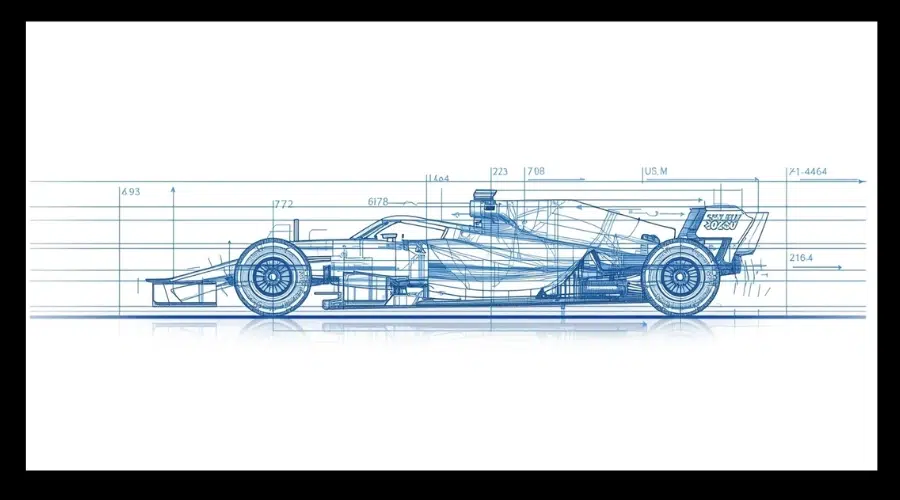
Active aerodynamics will adjust front and rear wing angles automatically at defined GPS locations. The chief reason for active aero is energy management: the new hybrid architecture packs a large, power hungry battery that would otherwise be drained on long straights if cars ran high downforce settings continuously.
ERS and boost are evolving too. Energy will be deployed far more frequently around a lap, with a dedicated manual override now branded “Overtake Mode” (the former MOM concept). This is effectively a push to pass style override for electrical deployment and is intended to replace the overtaking role DRS played in previous years. Expect many technical directives early in 2026 as teams fine-tune deployment maps and activation windows.
Mercedes’ 2026 Powerhouse Claims: Real Threat or PR Mirage?
An Italian motorsport report has suggested Mercedes have “brilliantly overcome all challenges” when developing their 2026 package. According to the report, Mercedes have invested heavily across both aero and power unit programmes, and their chassis reportedly correlates better between simulation and on-track behaviour than previous projects.
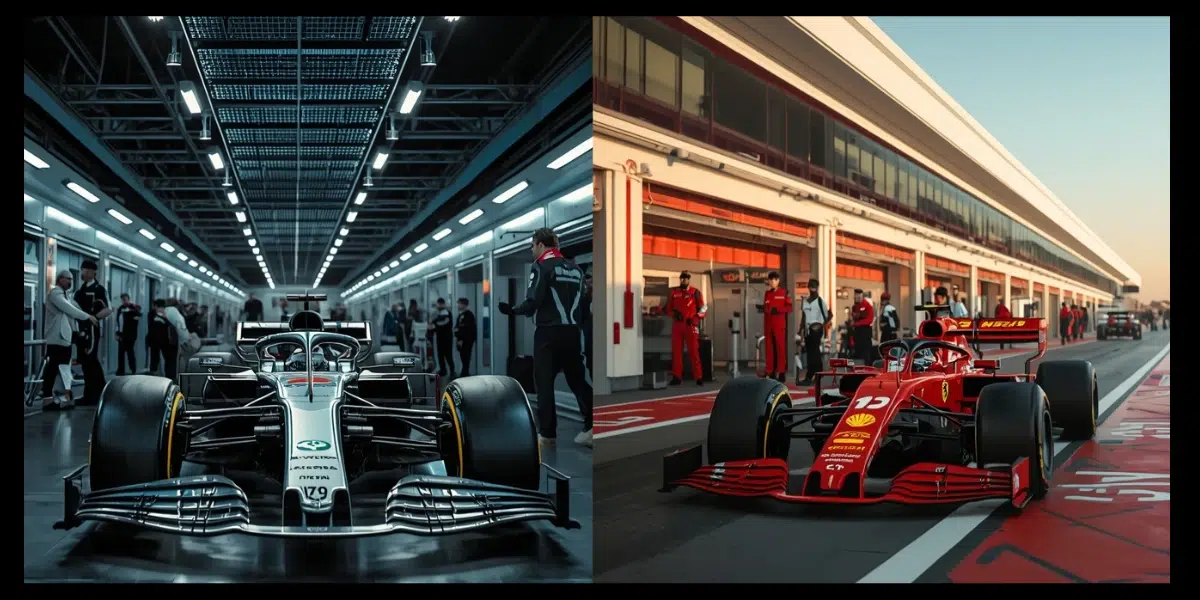
That said, scepticism is warranted. History shows internal confidence does not always translate into race performance: the 2022 zero pod promised gains that did not materialise reliably. On top of development, Mercedes must supply engines to four teams early in the season Mercedes, McLaren, Williams and Alpine and that logistical requirement forces an earlier freeze on engine development than some rivals.
Toto Wolff has publicly suggested Mercedes intends to reduce its long term customer list from four teams to three, which, if pursued, would create political and commercial ripple effects across the grid. Alpine and Williams appear particularly exposed to any customer reshuffle; such a move could reshape the engine market well before the first race. For more on the team dynamics, read our analysis on the Red Bull F1 Crisis.
2026 F1 Team Outlook
| Team | Engine | 2026 F1 outlook |
|---|---|---|
| Mercedes | Mercedes | Strong aero PU synergy; correlation risk remains |
| McLaren | Mercedes | Top engineering group; Norris-Piastri tension |
| Williams | Mercedes | Big development runway; possible jump from P5 to P4 |
| Ferrari | Ferrari | Crucial project; Hamilton influenced cockpit design |
| Red Bull | Honda RBPT | Still competitive; Marko bullish on Norris |
| Aston Martin | Honda | Fewer engines; more focused PU programme |
| Audi | Audi | Behind schedule; long term build |
Driver Market Rumours: Leclerc’s 2+1 Deal, Norris Praise & Piastri Pressure
Contract chatter is heating up. Charles Leclerc’s deal is widely understood to be a 2+1 structure with a team option for 2027. If Ferrari’s 2026 concept underperforms, Leclerc’s departure becomes plausible and several suitors commonly tipped names include Aston Martin, Audi, and potential entrants such as Cadillac/Andretti are reported to be monitoring the situation. Ferrari losing both of their marquee drivers in quick succession is unlikely, but any movement would trigger a wider driver market ripple.
Helmut Marko has been unusually vocal since stepping back from Red Bull’s full time media role. He has praised Lando Norris as “world class” and suggested Norris could repeat championship success with the right machinery, while describing Oscar Piastri as somewhat overshadowed in the season’s closing stages. The interpersonal dynamic inside McLaren will be one to watch if both drivers remain title contenders in 2026.
2026 Wildcards That Could Flip the Championship
Several unpredictable elements could define the opening months of the new regulations: Honda’s historical strength with ERS deployment could re-emerge as a decisive advantage; the cost cap reduces the feasibility of arms race spending and rewards operational efficiency; Audi’s candid admission that it is behind schedule suggests they’ll be a mid-term rather than immediate threat; and Williams’ early focus on 2026 architecture could yield an outsized performance gain if their concept proves sound.
Conclusion: Mercedes Revival or Another False Dawn?
The 2026 season represents a near complete reset of car architecture, energy strategy and driver technique. Mercedes, McLaren, Ferrari, Red Bull and the engine manufacturers all have plausible routes to the front but the history of regulation resets suggests early chaos rather than immediate clarity. Key questions remain: are Mercedes’ reported gains factual race pace improvements or an overhyped PR narrative? Can Jack Doohan recover from a rough testing block? Does Leclerc stay put at Ferrari if the car struggles?
Bookmark this page we will update it as 2026 testing begins. Drop your 2026 predictions in the comments and link this feature to your seasonal previews to build an internal cluster on strategy, engines and regulation impact.