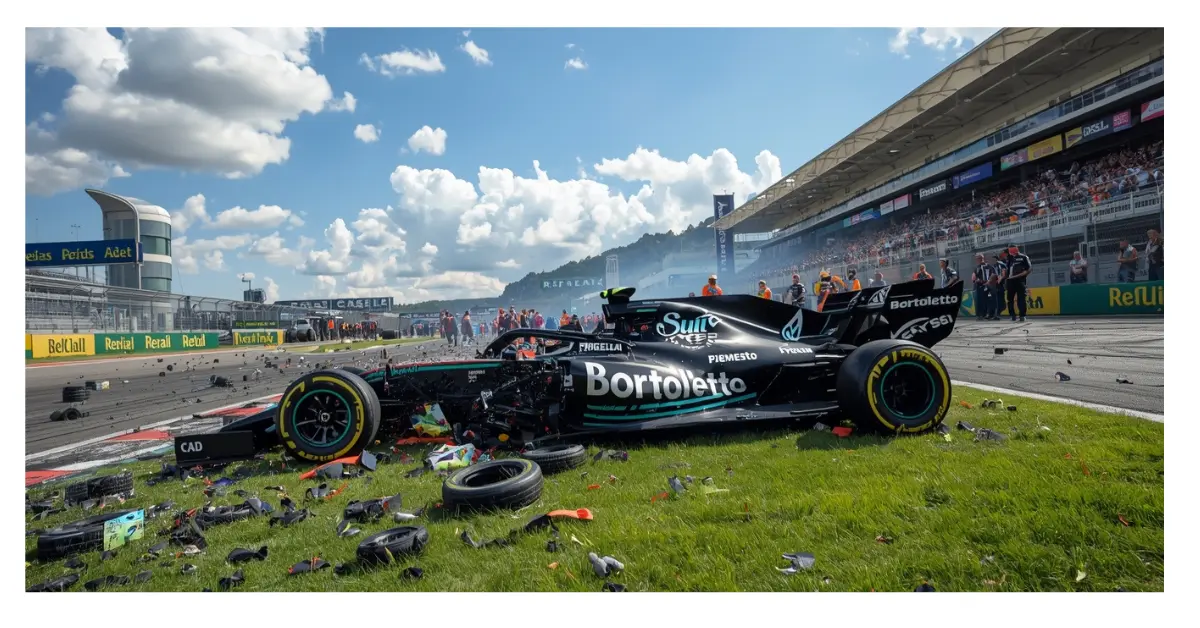
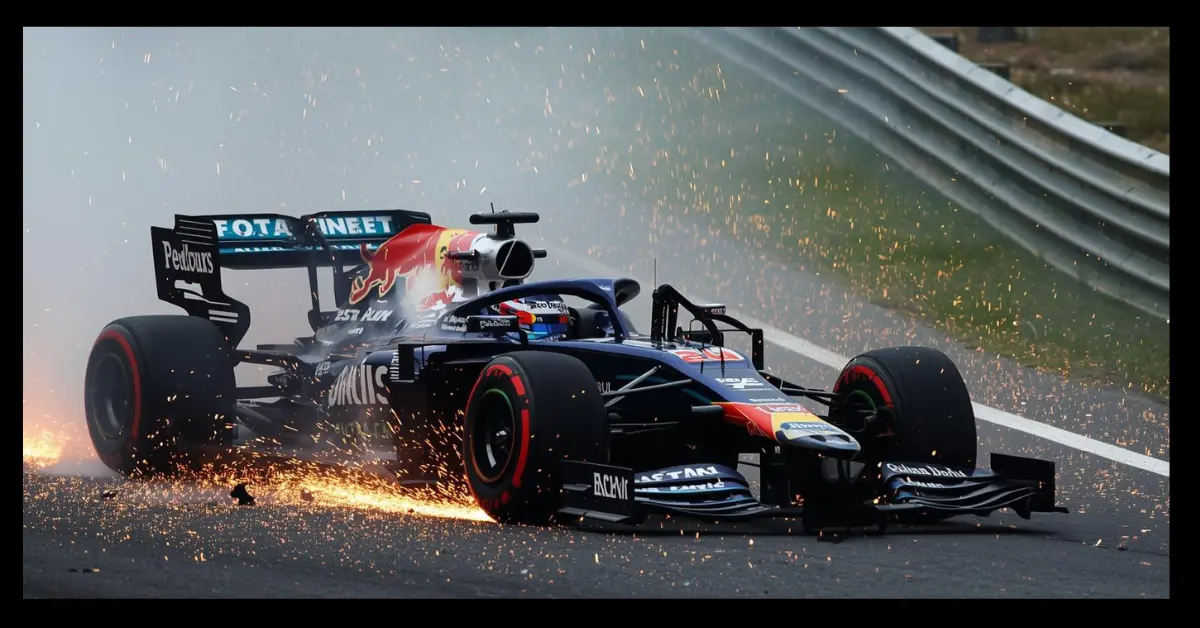
Long after the championship trophies were lifted and the final chequered flag fell, one unofficial table continued to spark debate in the paddock the Destructor’s Championship, a tongue in cheek but revealing assessment of how much damage each Formula 1 driver caused throughout the 2025 season. It is not recorded by the FIA, nor does it earn any points, yet it remains one of the most financially meaningful metrics in modern cost cap Formula 1. And for 2025 F1 Destructor Championship, the bill was staggering: an estimated $30 million in repairs across the grid.
The idea is deceptively simple. Each crash or collision is assigned an estimated repair cost based on the parts destroyed. Front wings, for example, average around $125,000 and were the most frequently replaced component of the year, with 63 broken in total. Wheels came next, with 74 damaged, followed by a small number of major incidents severe enough to destroy gearboxes, only two across the entire season. Chassis damage, which can cost between $1 and $1.5 million, was not fully included in these estimates, meaning the true financial toll could be significantly higher.
The absence of many massive crashes did not make 2025 any cheaper; instead, countless minor contacts, ambitious overtakes, and rookie errors quietly accumulated into one of the most expensive seasons on record.
The 2025 F1 Destructor Championship: Top Offenders
The true contenders for the unofficial crown were the drivers whose repair bills exceeded the $2 million mark. Their costly errors often had a direct and punitive effect on their teams’ ability to develop performance under the F1 cost cap.
| Rank | Driver | Team | Estimated Damage (Approx.) | Key Incident |
|---|---|---|---|---|
| 1 | Gabriel Bortoleto | Kick Sauber | Nearly $4.0 million | Devastating Brazil Sprint crash (single most expensive incident) |
| 2 | Yuki Tsunoda | Red Bull / Racing Bulls | ~$3.5 million | Massive qualifying crash at Imola |
| 3 | Lando Norris | McLaren | Approaching $3.0 million | Costly Saudi Arabia incident amidst his title charge |
| 4 | Lance Stroll | Aston Martin | ~$2.7 million | Multiple incidents including Zandvoort practice/qualifying errors |
| 5 | Charles Leclerc | Ferrari | ~$2.2 million | Costly errors while battling an unpredictable Ferrari |
| 6 | Oscar Piastri | McLaren | ~$2.2 million | Disastrous Baku weekend (Q3 shunt + Lap 1 retirement) |
| 7 | Jack Doohan | Alpine | ~$2.1 million | Dramatic Japan crash (in only five Grands Prix) |
Gabriel Bortoleto ended 2025 as the undisputed Destructor’s Champion, with nearly $4 million in damage. What made his rookie season unusual was how sharply his trendline turned: a largely clean first half followed by two enormous incidents, the Las Vegas misjudgment and, most notably, the devastating Brazil Sprint crash, which was the single most expensive accident of the year.
The Cleanest Drivers: The True Value of Precision
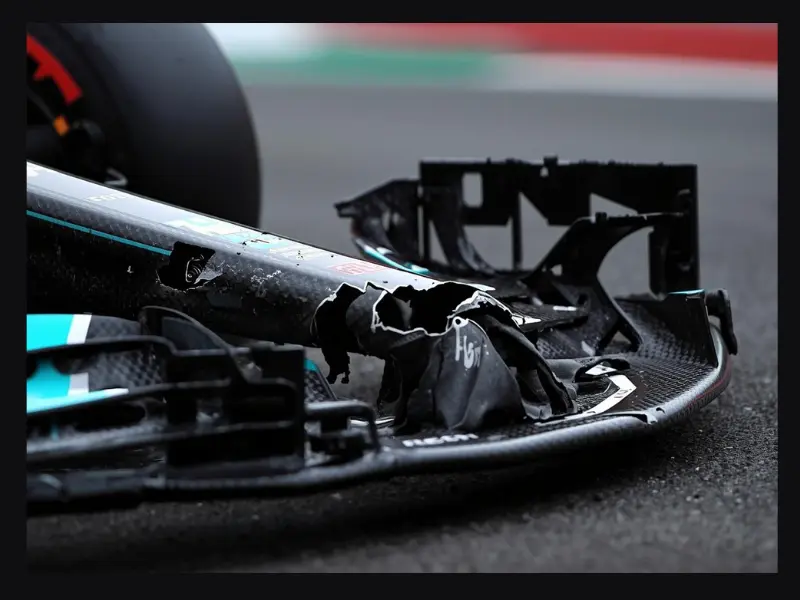
Remarkably, only a handful of drivers managed to keep their damage totals under $1 million. These “clean” drivers proved that spatial awareness and consistency are paramount under the financial constraints of the modern era.
- Max Verstappen led the way as the cleanest driver of 2025 (with a bill as low as $450,000 reported by some sources), despite fighting for the championship. His precision and racecraft ensured that Red Bull spent more time developing performance than repairing damage.
- George Russell, Esteban Ocon, Fernando Alonso and rookie Kimi Antonelli also completed the season with relatively modest repair costs, demonstrating invaluable consistency. Mercedes ultimately ended the year with the lowest repair costs of any team.
Mid Field Accumulators ($1-2 Million Bracket)
The majority of the grid fell into the $1-2 million bracket, including Isaac Hajar, Franco Colapinto, Liam Lawson, Oliver Bearman, Nico Hülkenberg, and Carlos Sainz. Their seasons were defined less by persistent recklessness and more by sporadic high cost weekends. Hajar’s Australia and Silverstone incidents, Colapinto’s heavy Imola crash during his first ever F1 session, and Bearman’s difficult Australia weekend all contributed significantly to their totals. Sainz, at one point among the highest spenders mid season, managed to stabilise as Ferrari ironed out some of the car’s more unpredictable handling traits.
Team Damage vs. Performance: The Financial Paradox
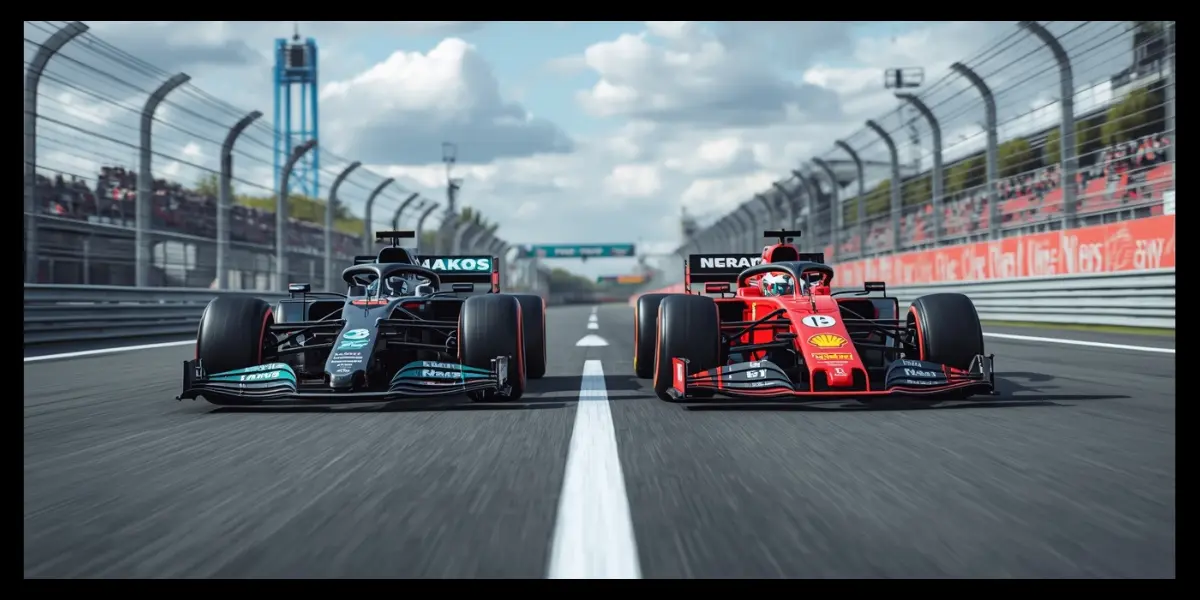
The team totals reveal the clear link between driver consistency and the final Constructors’ Championship standings.
| Team | Constructors’ Standings Rank | Estimated Total Damage (Approx.) | Financial Context |
|---|---|---|---|
| Kick Sauber | 9th | $6.0 million (Highest) | Dominated primarily by Bortoleto’s rookie costs, crushing the team’s budget. |
| McLaren | 1st (Champion) | $5.1 million (High) | Winning came at a financial premium , inflated by Norris and Piastri, but mitigated by superior car performance. |
| Red Bull | 3rd | $4.0 million (High) | Verstappen’s low damage was offset by Tsunoda’s early, high cost incidents. |
| Ferrari | 4th | $3.9 million (High) | The unpredictable car and driver errors led to expensive repairs, diverting funds from performance upgrades. |
| Alpine | 10th (Last) | $3.2 million (Mid/High) | Last in points and suffering high repair costs, compounding a disastrous year in both sporting and economic terms. |
| Mercedes | 2nd | $1.1 million (Lowest) | Strong race discipline from both drivers allowed them to focus on development and finish 2nd. |
Compared with the 2024 season, when Williams alone approached $10 million in damage, the 2025 figures were more evenly distributed, highlighting how the year’s biggest cost driver was not catastrophic multicar accidents but a relentless accumulation of smaller impacts. The cost extremes were exemplified by Nico Hülkenberg’s cheapest “major crash” ($217,000) versus Bortoleto’s Brazil Sprint wreck, which towered far above any other incident on the grid.
The 2026 Prediction: A $50 Million Bill?
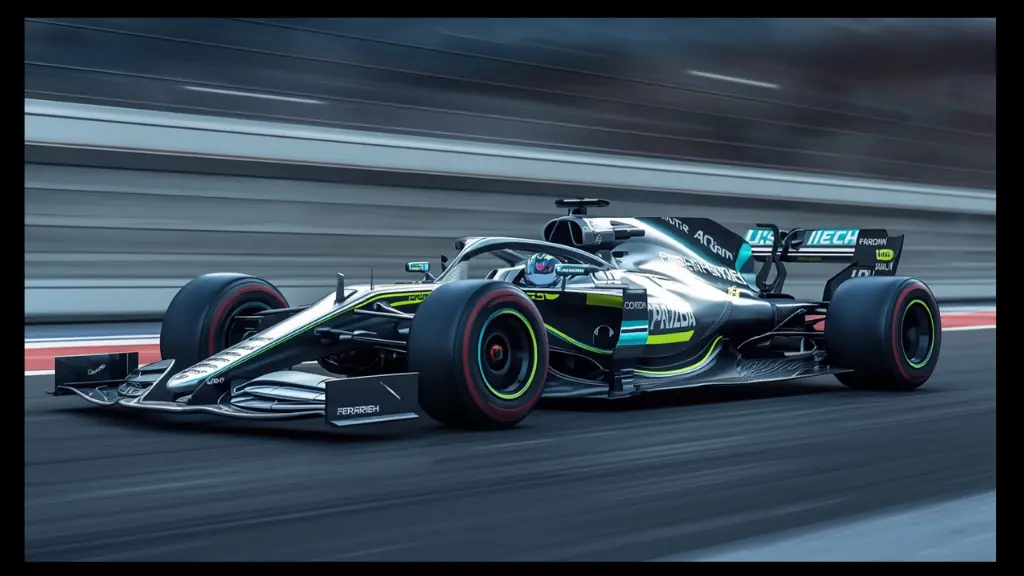
The financial implications of these numbers extend beyond 2025. With the arrival of the radical 2026 F1 regulations, a seismic shift in aerodynamics, power units, and chassis philosophy teams already expect a steep learning curve. New cars historically generate more errors, and engineers warn that instability and unfamiliar handling traits may push next year’s damage totals even higher. Some insiders believe the grid could collectively exceed $50 million in crash costs, potentially making 2026 the most expensive season ever from a repair standpoint.
Ultimately, the 2025 Destructor’s Championship revealed a season defined by fine margins, rookie growing pains, and the hidden economic pressures of Formula 1’s cost cap era. Max Verstappen proved once again why he is among the most efficient and precise drivers in the sport, while McLaren’s success came at a cost. The financial side of Formula 1, rarely visible but deeply consequential, offers a completely different perspective on how the season unfolded.
Frequently Asked Questions (FAQ)
General Championship and Costs
- Q1: What is the F1 Destructor’s Championship?
- The Destructor’s Championship is an unofficial, tongue-in-cheek ranking that tracks the total estimated financial cost of damage each Formula 1 driver causes their team throughout a season due to crashes and collisions.
- Q2: Is the Destructor’s Championship an official FIA title?
- No. It is not recorded by the FIA, nor does it award any official points. It is a financial metric used to highlight the economic consequences of driver errors, especially under the F1 cost cap.
- Q3: What was the total estimated damage bill for the 2025 F1 season?
- The total estimated repair bill across the entire grid for the 2025 season was a staggering $30 million.
- Q4: Why was 2025 so expensive, even without major multi-car crashes?
- The high total was not driven by catastrophic multi car accidents but by the relentless accumulation of countless minor contacts, ambitious overtakes, and rookie errors that quietly added up over the course of the season.
Driver Rankings and Incidents
- Q5: Who was the 2025 Destructor’s Champion (the driver who caused the most damage)?
- Gabriel Bortoleto of Kick Sauber was the Destructor’s Champion, accumulating nearly $4 million in damage.
- Q6: What was the most expensive single crash of the season?
- The single most expensive incident of the year was Gabriel Bortoleto’s devastating Brazil Sprint crash.
- Q7: Who was the “cleanest” driver of the 2025 season?
- Max Verstappen led the way as the cleanest driver, managing to keep his damage totals under $1 million. George Russell, Esteban Ocon, Fernando Alonso, and Kimi Antonelli also had “relatively modest repair costs.”
- Q8: Which drivers breached the $2 million damage mark?
- The true contenders for the unofficial crown were drivers whose bills exceeded the $2 million mark, including: Gabriel Bortoleto, Yuki Tsunoda, Lando Norris, Lance Stroll, Charles Leclerc, Oscar Piastri, and Jack Doohan.
Team Impact and Component Costs
- Q9: Which team had the lowest repair costs in 2025?
- Mercedes ended the year with the lowest repair costs of any team on the grid, attributed to strong race discipline from both drivers.
- Q10: Which component was the most frequently replaced, and how much does it cost?
- The front wing was the most frequently replaced component (63 broken in total). The estimated average repair cost for a single front wing is around $125,000.
- Q11: How do crash costs affect a team under the F1 Cost Cap?
- Every dollar spent on repairing damage is a dollar that cannot be spent on developing performance upgrades. High repair costs directly drag down a team’s competitiveness and strategic budget planning.
Looking Ahead to 2026
- Q12: Why are crash costs expected to rise in 2026?
- The introduction of the radical 2026 F1 regulations (new aerodynamics, power units, and chassis) is expected to create a steep learning curve. Engineers warn that instability and unfamiliar handling of the new cars could push the collective damage bill to over $50 million.
Related reading: Red Bull F1 Crisis Analysis | 2025 Abu Dhabi GP Predictions